You could save up to £241* on your home insurance*
Compare deals from over 50+ top insurers
92% of users gave an 'excellent' or great rating
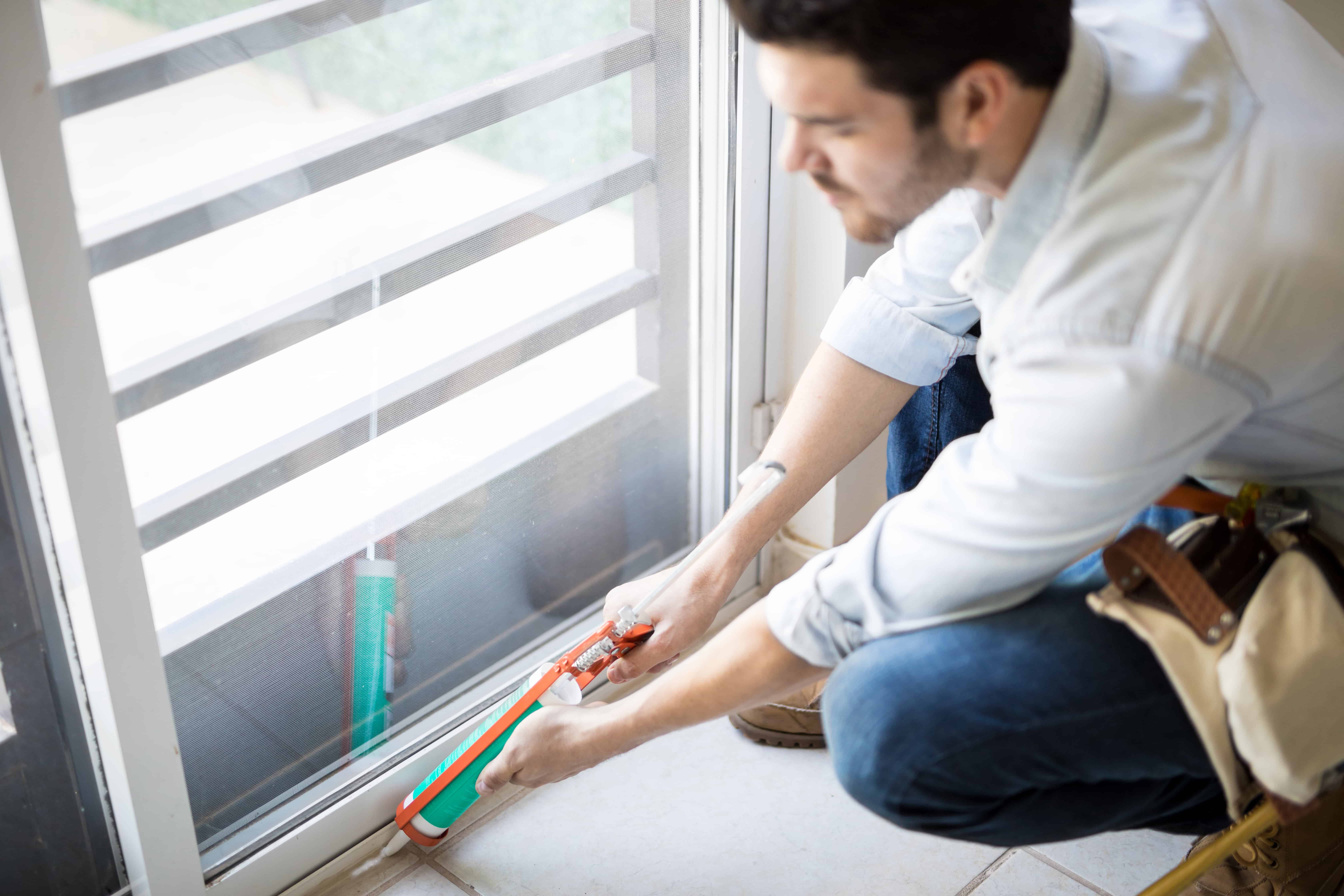
Accidental damage cover is normally an add-on to standard home insurance policies. Insurers often say that it’s designed to insure the policyholder’s belongings against damage caused by negligence, meaning things like spillages or breakages. Details of cover aren’t always the same for different providers, so it’s best to get familiar with the details before committing to a home insurance policy.
The definition tends to be the same across different home insurance policies. It is damage that happens suddenly because of an unexpected and non-deliberate action. This means wear and tear is not included- this also means mechanical failure isn’t covered. So, your insurer wouldn’t pay out if your laptop broke down but would cover you if you accidentally dropped and broke it.
You can choose just to cover your building, the contents inside, or both. If you’re renting, you would only need accidental damage cover for your belongings, whereas a landlord might need to cover both the building and its contents. If you’re a homeowner, it’s wise to add accidental damage cover to your building and your contents policies.
Accidental damage insurance for building would cover things like:
Broken windows
Damage to bathroom fittings
Damaged drains, pipes, tanks and cables
Cracks in wall tiles
Damage to kitchen units, including built-in ones like ovens.
An unintentional hole made in a wall or door
Natural hazard damage, ie. floods, fires and storms.
Collision damage from trees or cars.
A lot of home insurance providers have clauses written into their standard policy documents, which state they may not offer accidental damage cover for your building for things like:
Wear and tear that happens naturally
Chemical or frost damage
Any damage that happens while your home is unoccupied (if you’re on holiday, or planning to sell)
Damage from mechanical or electrical faults
Damage from light or other atmospheric conditions
Accidental damage for contents will cover things like:
Your TV being physically broken
Accidental damage to your phone or smartwatch at home
Damage to furniture
Spilling red wine on the carpet
However, many providers won’t offer cover for things such as:
Bicycles
Money
Clothing
Documents and certificates
Food and drink
Damage that happens when your home is unoccupied
Damage to sports equipment, if it happens while you’re using it
Damage caused by computer viruses
Young children can cause plenty of damage around the home, and even if you don’t have them yourself- visiting kids could still be a worry.
Accidents involving home entertainment are normally covered as standard. So if your nephew knocks your TV over, you’ll likely be covered. But always check the small print to make sure.
You can extend your accidental damage cover to protect most other things in your home, so if you end up with a Sharpie drawing on your sofa, you could then file a claim for it.
Commonly excluded items include portable electricals and clothing. In other words, keep kids away from your iPad and favourite designer boots- and as always, check the wording of your policy.
A lot of home insurance providers won’t cover damage caused by animals, from scratching and tearing to fouling. Very few contents insurance policies will cover for pets.
Some insurers won’t even cover for damage caused by insect or vermin infestation.
However, squirrels are specifically excluded from the vermin classification of some home insurance policies - this is worth looking into, especially if you know there’s a lot of them around your area.
Some insurers may offer an enhanced accidental damage cover policy, which would pay out to help cover the cost of things like pet-damaged sofas.
Heating, plumbing and electrical systems within the home can often be complex and require a trained professional to diagnose and repair any issues you might be having. If you are not qualified to fix essential systems within your home, make sure you leave it to a professional.
Liz Hunter
Commercial Director

Generally, if you’re unsure about what you’re doing, it’s best to be safe and hire a professional.
You should always check your home insurance policy conditions before undertaking any work. You might need protection under both your building and contents policies, but this will depend on the job. Damage caused my cleaning is also excluded from a few home insurance policies, so be careful when clearing up your mess.
It’s also worth noting that if some plumbing or electrical work is carried out by an amateur, it may not be covered.
Common accidents, like a poorly placed nail or a burst pipe will usually be accepted if you claim, though.
If you’re taking out contents insurance, you should ask yourself if you have any belongings that you would want replaced if they were suddenly broken or damaged, especially more valuable things like large TVs and kitchen appliances.
Because it is generally a case of opting in, rather than coming as standard with your home and contents insurance, it will often make your policy more expensive than standard. You need to decide if it’s worth paying the extra, by assessing what the risk your property is. If accidental damage cover seems worth it for your peace of mind, then go for it.
It depends on your home insurance policy. Accidental damage is a sub-policy which can be added to a standard home insurance policy and depends on your provider.
Accidental damage cover on a contents insurance policy does cover damage to home entertainment systems like TVs and stereos though.
Yes, broken windows are covered by accidental damage insurance but only when it is added to your building insurance policy. Other events covered include:
- Accidental damage to toilet basins, sinks and other bathroom fittings
- Damaged drains, pipes, cables and tanks connected to your home
- Cracked wall tiles
- Damaged kitchen units, including accidental damage to built-in appliances like ovens
- Any unintentional hole in a wall
- Flood, fire, storm and other water damage
- Collision damage – from a car, a tree or other forces – to the building
Accidental damage cover is not required as a part of a home insurance policy, but it is often advisable to take it out. Accidental damage is defined as sudden and unexpected damage to your property or contents by an outside force. This includes water damage to a personal possession, broken glass or windows, or a burst pipe. It is not usually included as standard on home insurance policies, but often sold as an optional extra.