Compare 40 top UK providers
Find specialised cover for repairs and restoration
Get tailored quotes for listed homes and period properties
While the term ‘listed building’ conjures images of castles, manors and national landmarks, in reality, hundreds of thousands of people in the UK live in listed homes. Many of us are washing our socks in the same place where history was made—or where someone else might have been washing theirs in the 16th century.
Owning and living in a listed building comes with lots of rewards, but also particular responsibilities regarding its upkeep and repair. These responsibilities can complicate the process of finding home insurance and can drive up the price of premiums. In many cases, a standard home insurance policy won’t be sufficient or affordable, and you’ll need to seek out specialist listed building policies for your property.
Listed buildings have special architectural or historic interest. Many are old: all buildings constructed before 1700 and in good nick are listed and most built before 1850 are as well. But others are notable for hosting more recent historical events (for example, Abbey Road Studios) or for their notable architect (for example, ErnÅ‘ Goldfinger’s Trellick Tower). And not all are even buildings, see the Grade-I listed Modernist Penguin Pool at London Zoo.
There are three levels of listed buildings:
Grade I listed buildings hold exceptional, international interest. Examples: St Paul’s Cathedral, Blackpool Tower, Royal Festival Hall
Grade II* listed buildings are particularly important, holding more than special interest. Examples: Battersea Power Station, Liberty’s department store, Liverpool Metropolitan Cathedral
Grade II listed buildings are of special national interest. Examples: BT Tower, Whitechapel Bell Foundry
92% of listed buildings, and nearly all privately-owned listed homes, are Grade II listed. But while the lower grade means you won’t have tourists flocking to your door, it still implies a great deal of responsibility for the preservation of the building in its original state.
To find out whether your home is listed, you’ll need to consult a regional database. Use the links below to check:
Listed buildings can’t be demolished or altered without special permission from the local planning authority. However, as the owner, you’re legally required to repair and restore them when they suffer damage.
When repairs are authorised, they often have to be completed using traditional materials and building techniques. Traditional materials can be difficult and expensive to source, and traditional building methods are often time-consuming and practised by just a few specialist tradespeople, whose labour is often expensive. This all complicates and increases the cost of the repair of a damaged listed building—driving up the cost for your home insurer.
Listed buildings may also have features that predispose them to damage, such as thatched roofs, or simply haven’t benefited from modern building techniques so suffer from damp and poor drainage. Listed buildings are therefore more likely to require repair, increasing the risk to your insurer from your property.
Home insurers consequently charge more to cover listed buildings and in some cases won’t insure them at all. Therefore, you’ll likely need to turn to a specialist provider for listed buildings insurance.
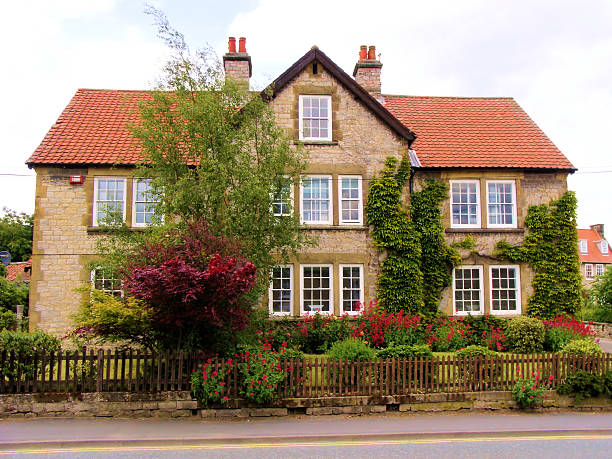
Specialist listed building insurance policies are tailored to the risks and expenses of living in a listed building. They’re offered by insurers who often have expertise in covering and maintaining listed buildings so they can direct you to qualified tradespeople to perform the repairs. Additionally, these companies can often offer you more affordable cover than you’d find elsewhere.
If you live in certain types of listed buildings you’ll often find the best coverage from even more specialised providers. For example, thatched roof home insurance is its own product with its own range of providers.
As with standard home insurance policies, there are two types of listed buildings insurance: buildings, for the structure of the home, and contents, for the possessions you keep within it. You can also top up listed buildings insurance with extras, including accidental damage and alternative accommodation cover.
When seeking out listed buildings insurance, you’ll need to provide the estimated rebuild cost of the home—the total amount it would cost to rebuild the building from the ground up. This can be difficult to work out for listed buildings, so you’ll likely need to consult a chartered surveyor to do the calculations for you.
According to Historic England, 91.7% of all listed buildings are Grade 2. As a Grade 2 building is a ‘building of special interest, warranting every effort to preserve them’, it will likely have certain restrictions on what materials can be used to renovate or maintain it. And yes, this makes insurance more expensive. These restrictions significantly increase the cost of materials and labour should a repair be necessary, which ultimately increases the amount an insurer will have to pay in the event of a claim.
If your home is a listed building, it will likely require specialist tools and materials should it need repairing. Unfortunately, standard home insurance will not pay out the necessary amount to use the required materials and techniques that ensure your listed building preserves its historic status.
*51% of consumers could save £241.88 on their Home Building & Contents Insurance. The saving was calculated by comparing the cheapest price found with the average of the next fourteen cheapest prices quoted by insurance providers on Seopa Ltd’s insurance comparison website. This is based on representative cost savings from June 2025. The savings you could achieve are dependent on your individual circumstances.